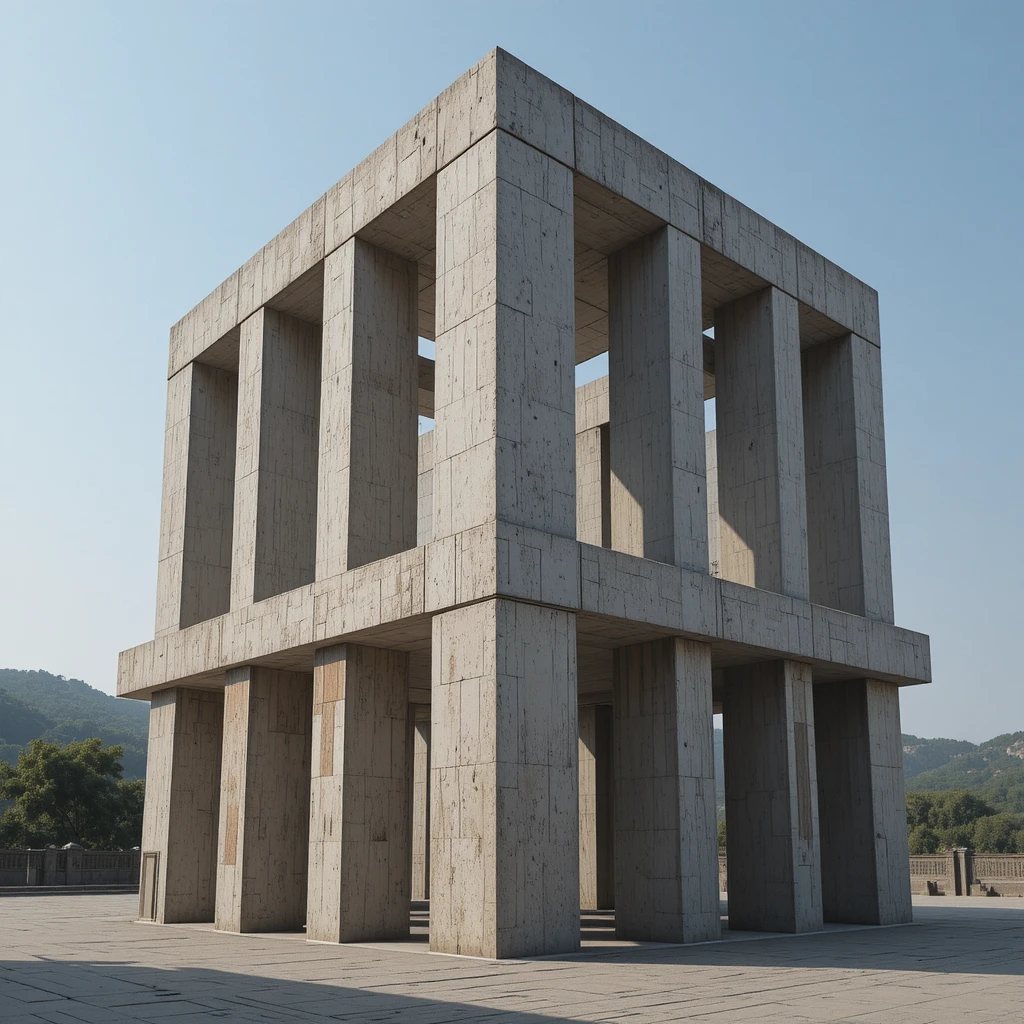
IntroductionConcrete structures form the foundation of modern civil and structural engineering. From residential houses and high rise buildings to bridges, dams, highways, tunnels, and industrial facilities, concrete is one of the most widely used construction materials in the world. Its strength, durability, versatility, and cost effectiveness make it an essential material in infrastructure development.In today’s rapidly growing urban environments, concrete structures play a crucial role in ensuring safety, sustainability, and long-term performance. Understanding concrete structures is therefore essential for students, engineers, designers, and construction professionals. This article provides a comprehensive and detailed explanation of concrete structures, their importance, components, behavior, design considerations, future trends, and learning pathways. What Is a Concrete Structure?A concrete structure is a structure in which concrete is the primary material used to resist loads and forces. Concrete structures are usually combined with steel reinforcement to improve tensile strength, resulting in reinforced concrete (RC) or prestressed concrete systems.Concrete structures are designed to safely carry:• Dead loads (self-weight of the structure)• Live loads (people, furniture, vehicles)• Environmental loads (wind, earthquake, temperature)• Other special loads (impact, vibration)Main Types of Concrete Structures : • Reinforced Concrete Structures (RCC)• Prestressed Concrete Structures• Precast Concrete Structures• Mass Concrete Structures• Composite Concrete StructuresEach type is selected based on structural requirements, span length, loading conditions, and construction methods. Components of Concrete StructuresConcrete structures consist of several key components that work together to ensure strength and stability.a) ConcreteConcrete is a mixture of:• Cement• Fine aggregate (sand)• Coarse aggregate (gravel or crushed stone)• Water• Admixtures (optional)Concrete is strong in compression but weak in tension, which is why reinforcement is required.b) Reinforcement SteelSteel reinforcement (rebars) is used to resist tensile forces. It improves ductility, crack control, and load-carrying capacity.c) Structural Elements• Slabs: Horizontal elements that carry floor loads• Beams: Transfer loads from slabs to columns• Columns: Vertical elements that carry loads to foundations• Foundations: Transfer loads safely to the ground• Shear Walls: Resist lateral loads such as wind and earthquakes Why Concrete Structure MattersConcrete structures are essential for modern construction due to several critical reasons.a) Strength and DurabilityConcrete structures can last for decades or even centuries when properly designed and maintained.b) Fire and Weather ResistanceConcrete has excellent fire resistance and performs well under harsh environmental conditions.c) Design FlexibilityConcrete can be molded into different shapes and sizes, allowing architectural freedom.d) Cost EffectivenessConcrete materials are widely available and relatively economical.e) Safety and StabilityConcrete structures provide high safety against collapse when designed according to codes. Behavior of Concrete StructuresUnderstanding how concrete structures behave under loads is essential for safe design.a) Compression BehaviorConcrete performs very well under compressive loads.b) Tension and CrackingConcrete cracks under tension; reinforcement controls and distributes these cracks.c) Flexural BehaviorBeams and slabs resist bending through the combined action of concrete and steel.d) Shear BehaviorShear forces are resisted through concrete strength and shear reinforcement.e) Long-Term Effects• Creep• Shrinkage• Temperature effectsThese must be considered in design to avoid serviceability issues. Design Principles of Concrete StructuresConcrete structures are designed using internationally recognized codes and standards.Key Design Considerations : • Load combinations• Material properties• Strength limit states• Serviceability limit states• Durability requirements• Safety factorsDesign Methods : • Working Stress Method• Limit State Design Method (most commonly used)Modern design relies heavily on software tools to analyze and optimize concrete structures. Construction of Concrete StructuresProper construction is as important as good design.Construction Stages : • Formwork installation• Reinforcement placement• Concrete mixing and pouring• Compaction and vibration• Curing• Quality control and inspectionPoor construction practices can lead to cracks, reduced strength, and durability problems. Advantages and Limitations of Concrete StructuresAdvantagesHigh compressive strengthLong service lifeFire resistanceLow maintenanceAvailability of materialsLimitationsLow tensile strengthHeavy self-weightCracking behaviorTime required for curingThese limitations are managed through proper design and reinforcement. The Future of Concrete StructuresConcrete technology continues to evolve with innovation and sustainability.Future TrendsHigh-performance concreteSelf-healing concreteFiber-reinforced concreteSustainable and low-carbon concreteSmart concrete with sensorsBIM integration for concrete designThese advancements aim to improve durability, reduce environmental impact, and enhance structural performance. Learning Concrete StructureLearning concrete structures requires both theoretical knowledge and practical skills.What Students and Professionals Must LearnStructural mechanicsReinforced concrete designLoad calculationsStructural detailingConstruction practicesSoftware-based analysis and designLearning Through SamoSkillSamoSkill provides courses related to concrete structures under its Courses section, aligned with every article published on the platform. Learners can find:Reinforced concrete design coursesStructural analysis software trainingStep-by-step practical examplesBeginner to advanced learning pathsIndustry-focused engineering contentThis integrated learning approach helps students and professionals move from theory to real-world application. ConclusionConcrete structures are the backbone of modern infrastructure. Their strength, durability, and versatility make them indispensable in construction projects worldwide. From small residential buildings to massive infrastructure systems, concrete structures ensure safety, stability, and long-term performance.For students, mastering concrete structures is essential for a successful engineering career. For professionals, continuous learning and adoption of modern tools are key to staying relevant. Platforms like SamoSkill make learning concrete structures more accessible by combining in-depth articles with practical, course-based training.In the future, concrete structures will continue to evolve—supporting smarter, stronger, and more sustainable construction worldwide.