
Introduction
Geotechnical engineering is one of the most fundamental branches of civil engineering. Every structure whether a small residential building, a highway, a bridge, or a high-rise tower ultimately relies on the ground beneath it for support. Understanding soil and rock behavior is therefore critical to the safety, stability, and durability of all construction projects.
This article provides a detailed and comprehensive overview of geotechnical engineering, written for students and professionals. It explains core concepts, engineering practices, testing methods, applications, career opportunities, future trends, and how to learn geotechnical engineering through structured courses.
What is geotechnical engineering?
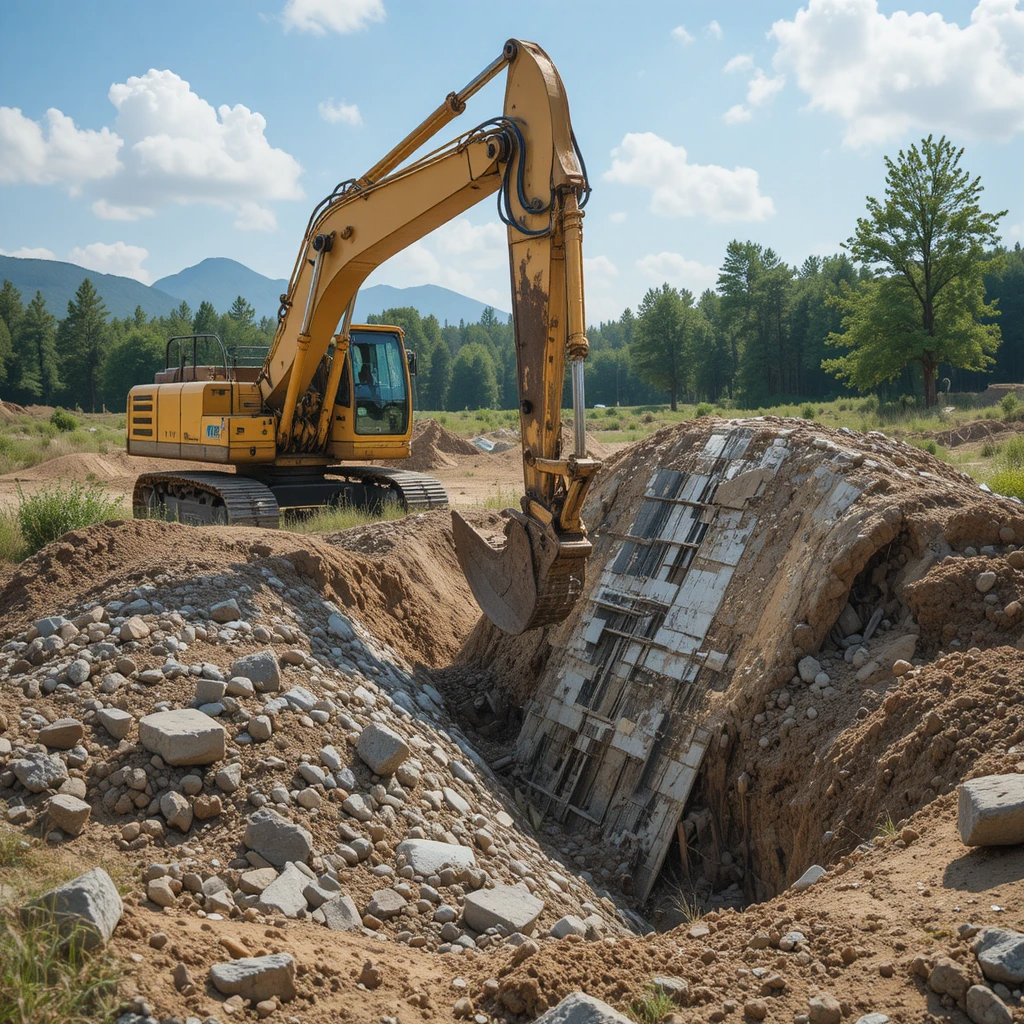
Geotechnical engineering is a branch of civil engineering that deals with the engineering behavior of earth materials, mainly soil and rock. It focuses on analyzing, designing, and constructing foundations, slopes, retaining structures, and earthworks that safely support structures and infrastructure.
Geotechnical engineers study how soil and rock respond to loads, water, excavation, and environmental changes. Their work ensures that structures remain stable and safe throughout their service life.
Why Geotechnical Engineering Matters
Geotechnical engineering is essential because ground conditions vary greatly from one location to another. Poor understanding of soil behavior can lead to severe failures.
Key reasons why geotechnical engineering matters include:
- Ensuring foundation safety and stability
- Preventing settlement and structural damage
- Reducing risks of landslides and slope failures
- Supporting safe construction in difficult soil conditions
- Protecting lives, property, and investments
Many structural failures are not due to poor structural design, but due to inadequate geotechnical investigation.
Soil and Rock Mechanics
Soil Mechanics
Soil mechanics studies the physical and mechanical behavior of soil. Important soil properties include:
- Grain size distribution
- Plasticity and consistency
- Shear strength
- Compressibility
- Permeability
Understanding these properties helps engineers design foundations and earth structures safely.
Rock Mechanics
Rock mechanics focuses on the behavior of rock masses and intact rock. It is essential for tunnels, deep foundations, and rock slopes.
Site Investigation and Soil Testing
Site investigation is a core activity in geotechnical engineering. It involves collecting data about subsurface conditions.
Field Tests
- Standard Penetration Test (SPT)
- Cone Penetration Test (CPT)
- Plate Load Test
- Borehole drilling and sampling
Laboratory Tests
- Atterberg limits
- Grain size analysis
- Triaxial compression test
- Direct shear test
- Consolidation test
These tests provide essential data for design and analysis.
Foundations in Geotechnical Engineering
Foundations transfer structural loads safely to the ground.
Shallow Foundations
- Isolated footings
- Strip footings
- Raft (mat) foundations
Deep Foundations
- Pile foundations
- Drilled shafts (caissons)
Foundation selection depends on soil conditions, load magnitude, and project requirements.
Earth Retaining Structures
Geotechnical engineers design structures that retain soil and prevent collapse.
Common retaining structures include:
- Gravity retaining walls
- Cantilever retaining walls
- Sheet pile walls
- Mechanically stabilized earth (MSE) walls
These structures are widely used in highways, basements, and bridge approaches.
Slope Stability and Earthworks
Slope stability analysis ensures that natural and man-made slopes remain stable.
Applications include:
- Embankments
- Cut slopes
- Dams and levees
- Landslide mitigation
Engineers use analytical and numerical methods to assess slope safety.
Geotechnical Engineering in Construction Projects
Geotechnical engineering plays a role in all major construction sectors:
- Buildings and high-rise structures
- Roads and highways
- Bridges and tunnels
- Dams and water structures
- Ports and offshore structures
Early involvement of geotechnical engineers reduces construction risks and costs.
Tools and Software Used in Geotechnical Engineering
Modern geotechnical engineering relies on advanced tools and software, such as:
- PLAXIS
- GeoStudio
- SAFE and foundation design tools
- AutoCAD and Civil 3D
These tools improve accuracy and efficiency in analysis and design.
Career Opportunities in Geotechnical Engineering
Geotechnical engineering offers diverse career paths:
- Geotechnical Engineer
- Site Investigation Engineer
- Foundation Design Engineer
- Geotechnical Consultant
- Research and academic roles
Geotechnical engineers work in consulting firms, construction companies, government agencies, and research institutions.
Skills Required for Geotechnical Engineers
Successful geotechnical engineers need:
- Strong understanding of soil mechanics
- Field investigation skills
- Analytical and problem-solving abilities
- Knowledge of codes and standards
- Software and modeling skills
- Communication and reporting skills
The Future of Geotechnical Engineering
The future of geotechnical engineering includes:
- Advanced numerical modeling
- Sustainable ground improvement techniques
- Use of AI and data-driven analysis
- Resilient infrastructure design
- Climate change impact assessment
Geotechnical engineering will remain critical as infrastructure development continues worldwide.
Learning Geotechnical Engineering
Learning geotechnical engineering requires both theoretical knowledge and practical experience.
Recommended Learning Path
- Basic soil mechanics
- Site investigation methods
- Foundation engineering
- Slope stability and earthworks
- Advanced geotechnical analysis and software
📌 SamoSkill provides professional geotechnical engineering courses in its Courses section, covering theory, practical design, and real-world case studies. Learners can access structured courses on one platform to build strong geotechnical skills.
Conclusion
Geotechnical engineering is the foundation of all civil engineering projects. By understanding soil and rock behavior, geotechnical engineers ensure the safety, stability, and longevity of structures.
For students and professionals, mastering geotechnical engineering opens the door to specialized and high-impact careers. With structured learning and expert-led courses available on SamoSkill, anyone can build a strong and successful future in geotechnical engineering.
🏗️ Start learning geotechnical engineering today with professional courses available on SamoSkill’s Courses section.